
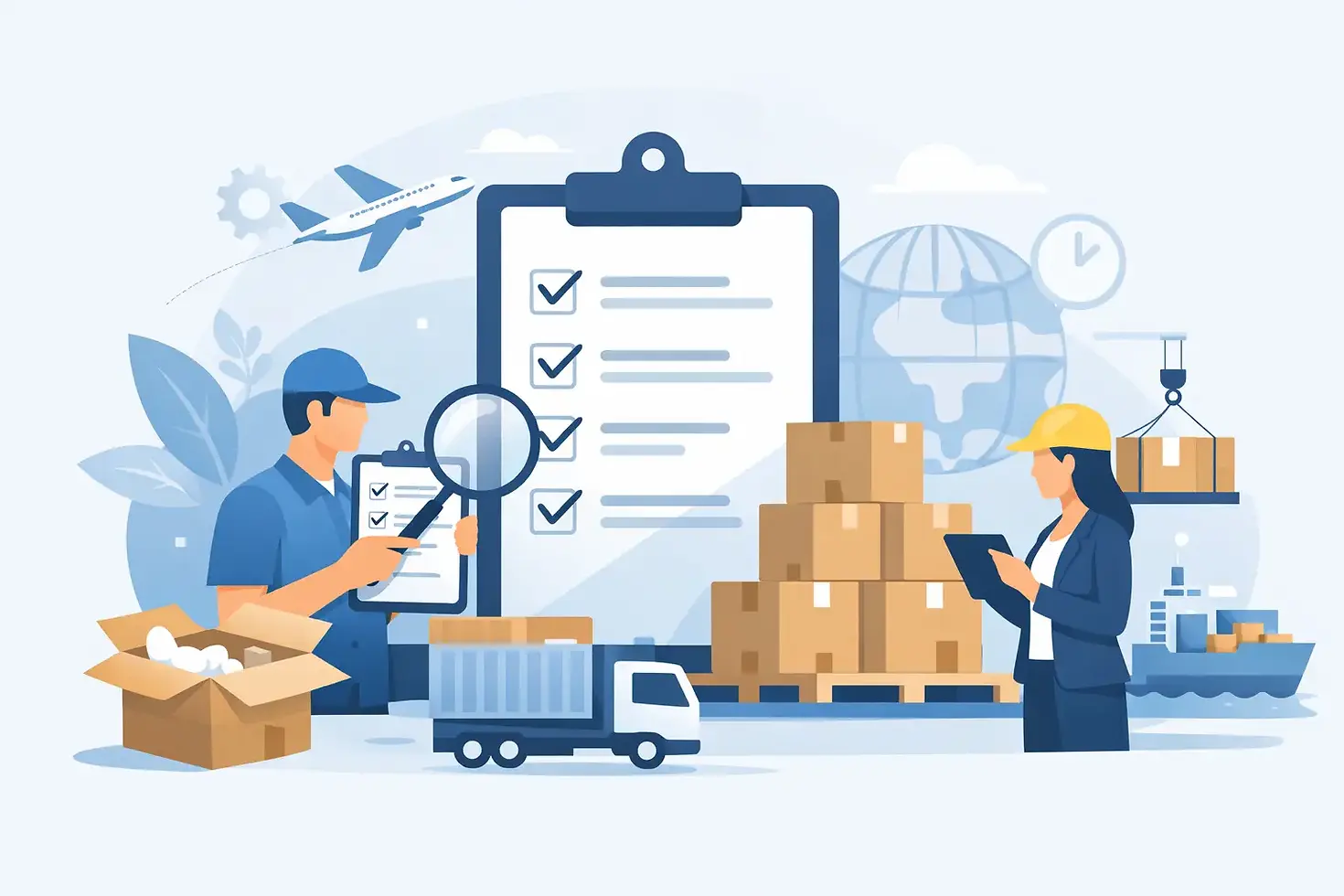
Pre Shipment Inspection Checklist That Works
A shipment can look fine in a sample room and still fail where it matters - inside sealed cartons, across mixed batches, or under basic function testing. That is why a pre shipment inspection checklist matters. For importers buying from China, this is not a formality at the end of production. It is one of the last real control points before goods leave the factory and problems become your cost.
For furniture, ceramics, building materials, and home decor, the stakes are higher than many buyers expect. Small issues such as shade variation, incorrect dimensions, weak packaging, missing hardware, or wrong labeling can turn into container-wide claims, rejected inventory, or missed project deadlines. A good inspection process is built to catch those issues before loading, when corrective action is still possible.
What a pre shipment inspection checklist should actually do
A useful pre shipment inspection checklist is not just a list of things to glance at. It should verify whether the order matches the approved specification, whether the finished quantity is ready, and whether the goods can ship without creating avoidable risk.
That means the checklist has to connect commercial requirements with physical inspection. The inspector should know the purchase order, approved sample, packaging standard, carton marks, product tolerances, and any client-specific requirements before arriving at the factory. Without that preparation, even an experienced inspector can miss problems simply because the factory made something different from what was expected.
The strongest checklists also separate critical, major, and minor issues. A cracked ceramic basin, unsafe wiring component, or incorrect product model is not the same as a light cosmetic blemish on inner packaging. Buyers need that distinction to make a realistic shipment decision.
Pre shipment inspection checklist: the core categories
Every product category has its own risk points, but most inspections should cover the same operating areas.
1. Order and quantity verification
Start with the basics. Confirm the product name, item code, SKU, color, finish, size, and total packed quantity against the purchase order and approved production documents. Then confirm how much of the order is fully finished and packed.
This sounds simple, but partial readiness is a common problem. A factory may report the order as complete while some cartons are still open, some units are waiting on replacement parts, or different production dates are mixed together. If less than the required percentage is finished, the inspection itself may not be reliable.
2. Product workmanship and appearance
This is the section most buyers expect, but it should be handled with discipline. The inspector should check visible defects such as scratches, dents, chips, stains, poor finishing, color inconsistency, glue marks, uneven edges, and assembly defects.
For furniture and home decor, visual standards matter because your customer sees them immediately. For ceramics and building materials, surface quality, glaze consistency, edge straightness, and crack-free construction are often central. The acceptable level depends on the product, price point, and market. A commercial-grade tile order is judged differently from a premium retail furniture line.
3. Measurements and specification compliance
Approved dimensions should be measured, not assumed. That includes product size, thickness, weight, hardware fit, and any tolerance noted in the order.
This step is especially important for building materials and furniture because size errors can make products unusable even when they look acceptable. A cabinet with the wrong depth, a tile with inconsistent sizing, or a chair with mismatched seat height can create installation issues, customer complaints, and costly returns.
4. Function and performance testing
Products should be tested the way they will be used. Drawers should open and close smoothly. Chairs and tables should be checked for stability. Hinges, wheels, locks, and electrical components should operate correctly where applicable. Ceramic and sanitary items may require drainage, leakage, or fit testing depending on the item.
Factories sometimes focus on appearance while overlooking practical performance. A product that photographs well but fails in use is still a failed shipment.
5. Packaging inspection
Strong products can still arrive damaged if the packaging is weak. Check inner protection, outer carton strength, pallet condition if used, drop resistance where relevant, moisture protection, and whether accessories are packed correctly.
Packaging should also match the shipping method. What works for local delivery may not be enough for export handling, consolidation, container stacking, and long transit times. Fragile products from Foshan, particularly ceramics and decor, need special attention here.
6. Labeling and shipping marks
Carton labels, barcodes, item descriptions, destination marks, made-in-China labels, and compliance labels should match the buyer's shipping instructions. A labeling mistake can create customs issues, warehouse receiving errors, or retail compliance problems even if the product itself is acceptable.
This is one of the most underestimated parts of inspection because the factory may treat it as administrative. For the importer, wrong labels can delay the entire shipment.
7. Assortment, accessories, and documentation
If the order includes sets, bundles, spare parts, manuals, mounting kits, or mixed colors and sizes, confirm that the correct assortment is packed. Missing screws, brackets, cushions, or instruction sheets are common issues that frustrate end users and create after-sales cost.
Documentation should also be checked where relevant, including test records, packing lists, and any required certificates the supplier is responsible for providing.
Sampling matters more than most buyers realize
No pre shipment inspection checklist works without a clear sampling method. Inspectors usually review a sample of units from the completed batch rather than every piece. That means the inspection result depends not only on what is checked, but on how units are selected.
Random selection is essential. If the factory chooses the samples, the result is less reliable. Cartons should be pulled from different areas, including top, middle, and bottom stacks, and from different production lots if the order was made in stages.
There is always a trade-off here. A standard sampling plan is efficient and cost-effective, but it cannot eliminate all risk. For higher-value orders, fragile products, or suppliers with inconsistent history, buyers may need stricter sampling, more detailed testing, or even in-line inspections before final inspection.
What buyers often miss in China sourcing
Many importers think the inspection starts when the inspector arrives. In practice, the result is shaped earlier by how clearly the order was managed.
If the approved sample is not documented, if tolerances were never defined, or if packaging instructions were only discussed informally, the factory has room to interpret. That creates avoidable disputes during inspection. The supplier may argue that the goods are acceptable because no written standard says otherwise.
This is where local coordination helps. A hands-on sourcing and logistics partner can align specifications with the factory before production is complete, confirm readiness before travel is scheduled, and push corrective action quickly if problems appear. That saves time compared with discovering issues only when the container is about to be booked.
When a shipment should pass, fail, or be held
Not every failed point means the shipment must be canceled. The right decision depends on severity, timing, and the buyer's business model.
A shipment may pass with minor cosmetic issues if the defect rate is within tolerance and the market can accept it. It may need to be held if labeling is wrong, packaging is weak, or the finished quantity is short but fixable within a few days. It should fail if critical defects affect safety, model accuracy, core function, or major visual quality across the sampled batch.
The key is disciplined judgment. Passing a weak shipment to avoid delay often creates bigger cost later. Failing a shipment over small, non-commercial issues can also hurt supply continuity. A reliable inspection process helps buyers make that call based on evidence, not pressure from a deadline.
Turning the checklist into shipment control
A pre shipment inspection checklist works best when it is part of a broader control process. The factory should receive clear specifications early. Inspection should be scheduled only when the required percentage of goods is complete and packed. Findings should be documented with photos, measurements, quantities, and a clear defect classification. If corrections are needed, reinspection should confirm the fix before loading.
For importers managing China supply remotely, this structure creates something more valuable than a pass or fail result. It creates accountability. You can see what was checked, what was found, and what decision was made before the goods move into export.
At JaspeTrade, that on-the-ground control is what reduces risk. Inspection is not treated as a standalone report. It is tied to sourcing, supplier follow-up, packing review, warehousing, and shipment execution so buyers have fewer surprises between factory floor and final delivery.
The last useful thought is this: a checklist is only as good as the discipline behind it. If your shipment matters, make inspection specific, documented, and close enough to the factory to drive action before the container door closes.


Comments